

5 Signs Your Forklift Needs Repair Before It Breaks Down
Forklifts are built to handle demanding work environments, but like any piece of equipment, they begin to show signs of wear over time. The challenge is that many of those early warning signs are easy to overlook or dismiss as minor issues.
Waiting until a forklift completely breaks down often leads to higher repair costs, unexpected downtime, and disruptions across an entire operation. In many cases, those breakdowns could have been prevented by addressing issues earlier. Knowing what to look for can help businesses stay ahead of problems and keep equipment running reliably.
Slower or Inconsistent Lifting Performance
One of the first signs that a forklift may need repair is a noticeable change in lifting performance. If the forks are lifting slower than usual, struggling under normal loads, or not reaching full height consistently, there may be an issue with the hydraulic system.
Hydraulic problems can stem from low fluid levels, leaks, worn seals, or internal component wear. Even small changes in lifting speed can indicate a developing issue. Addressing it early can prevent more serious damage and help avoid larger repairs down the line.
Unusual Noises During Operation
Forklifts are not silent machines, but operators typically become familiar with how their equipment sounds during normal use. When something changes, it is usually noticeable.
Grinding, squealing, knocking, or rattling noises are often signs that something is not working properly. These sounds can come from several areas, including the engine, transmission, brakes, or hydraulic components. Ignoring unusual noises can lead to more significant mechanical failures, so it is best to have them inspected sooner rather than later.
Fluid Leaks Under the Forklift
Leaks are one of the most visible signs that a forklift needs attention. Hydraulic fluid, oil, or coolant appearing beneath the machine can indicate worn hoses, damaged seals, or failing components.
Even small leaks should not be ignored. Over time, they can lead to reduced performance and more extensive repairs. Regularly checking the area where forklifts are parked can help identify leaks early and prevent larger issues from developing.
Difficulty Steering or Braking
Forklifts rely on precise steering and responsive braking, especially in tight warehouse environments where safety is critical.
If operators notice that steering feels loose, stiff, or inconsistent, it could point to issues within the steering system. Similarly, braking problems such as delayed response or reduced stopping power should be addressed immediately. These issues not only affect performance but also increase the risk of accidents.
Decreased Battery Life or Power Loss
For electric forklifts, battery performance plays a major role in day-to-day operations. If a forklift is not holding a charge as long as it used to or begins losing power during use, it may indicate a problem with the battery or electrical system.
Battery issues can result from improper charging, aging components, or internal damage. Addressing battery performance early can help extend its lifespan and avoid unexpected downtime during busy operations.
Warning Lights or Error Codes
Modern forklifts often include onboard systems designed to alert operators when something is not functioning correctly. Warning lights or error codes should never be ignored.
These alerts are meant to identify issues early, whether they are minor concerns or signs of more serious problems. Having these alerts checked promptly can prevent further damage and help keep equipment operating safely.
Why Early Repairs Matter
Addressing forklift issues early can save businesses both time and money. Minor repairs are typically faster and less expensive than major breakdowns, and they help prevent disruptions that can impact productivity.
When a forklift is taken out of service unexpectedly, it can slow down workflows, delay shipments, and create challenges across the entire operation. Staying ahead of repairs helps maintain consistent performance and keeps everything running smoothly.
The Role of Regular Inspections
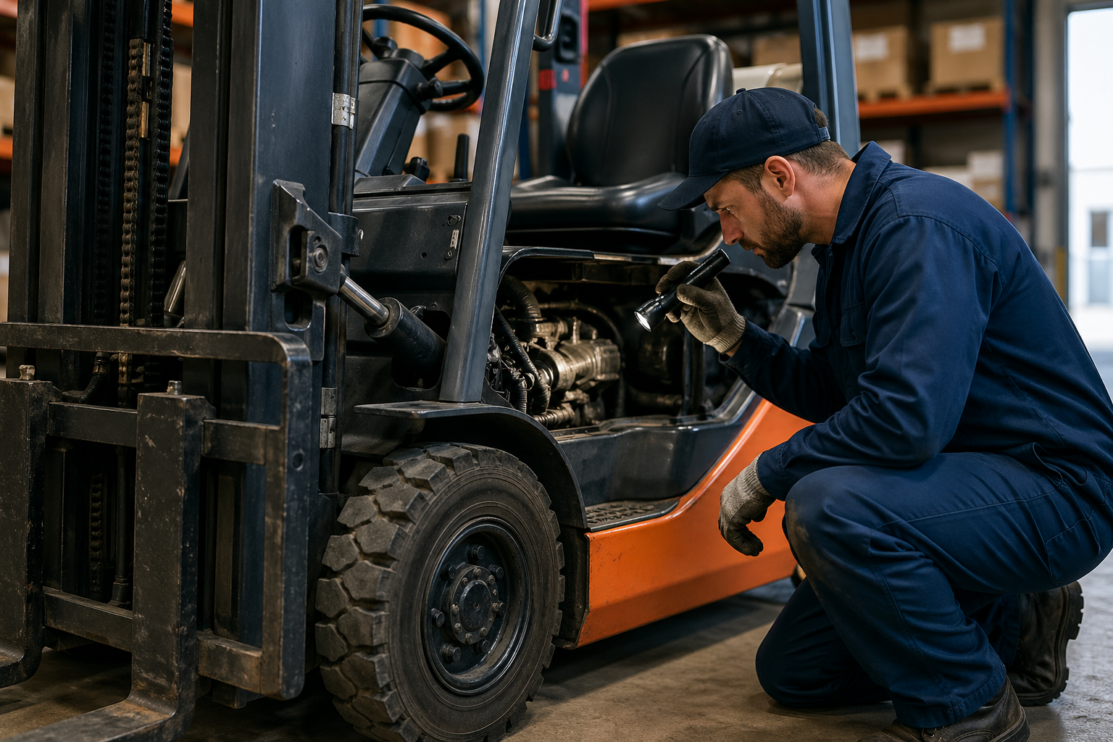
Routine inspections play a key role in identifying problems before they escalate. Operators should be trained to perform basic daily checks, while more detailed inspections should be handled by experienced technicians.
A structured maintenance plan helps ensure that equipment is regularly evaluated and serviced as needed. This proactive approach reduces the likelihood of unexpected failures and extends the life of the equipment.
Keeping Your Equipment Reliable
Forklifts are essential to many operations, and keeping them in good working condition is critical to maintaining productivity and safety.
Paying attention to performance changes, unusual behavior, and visible signs of wear can help businesses catch problems early. By addressing issues before they lead to breakdowns, companies can reduce repair costs, improve safety, and keep operations running efficiently.


